
Real gold identification guide
How to Tell If It’s Gold
If you have a chain, ring, bracelet, pendant, coin, earring, or inherited piece and want to know
whether it is real gold, do not rely on color alone. Check the hallmark, karat stamp, weight,
wear marks, magnet reaction, and overall craftsmanship before buying, selling, or accepting a piece.
10K, 14K, 18K, 417, 585, or 750, keeps a consistent gold color, does not reveal another metal
underneath worn areas, does not strongly stick to a magnet, and feels dense for its size.
For valuable pieces, professional testing is the safest confirmation.
or a mixed-metal item.
417, 585, 750, 916, 999
10K, 14K, 18K, 22K, 24K
Color rubs off or changes
Professional jeweler test
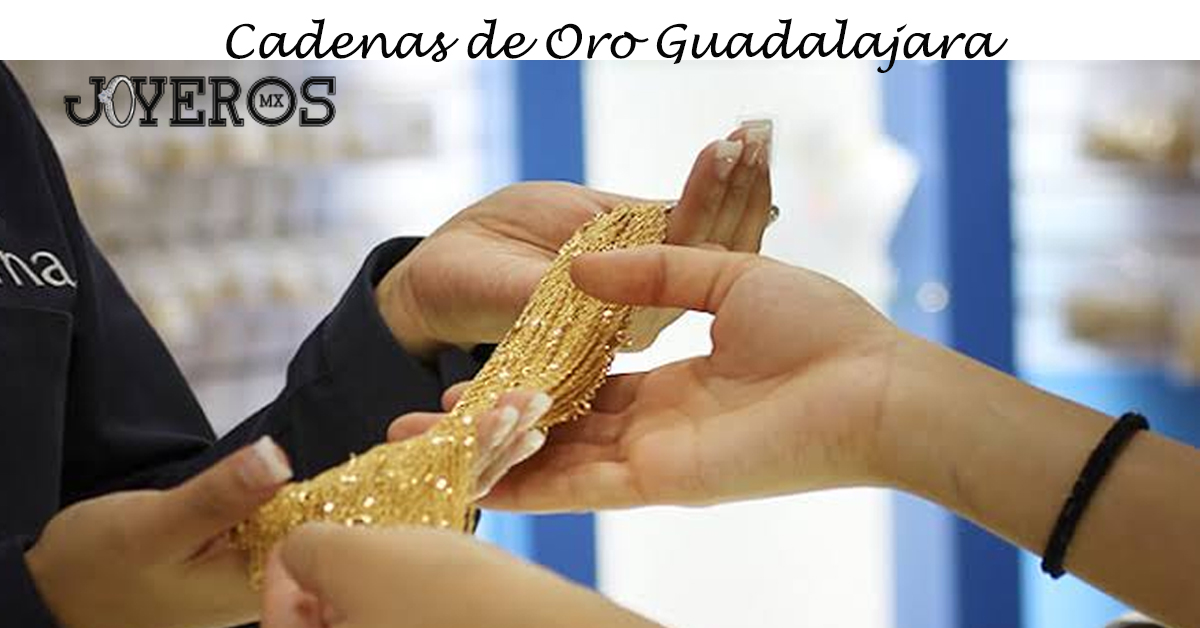
Reference images for checking real gold jewelry
In chains, rings, bracelets, pendants, and other pieces, the small details matter.
Clasps, links, edges, prongs, and worn areas can reveal whether a piece is solid gold,
hollow gold, gold plated, gold filled, or costume jewelry.
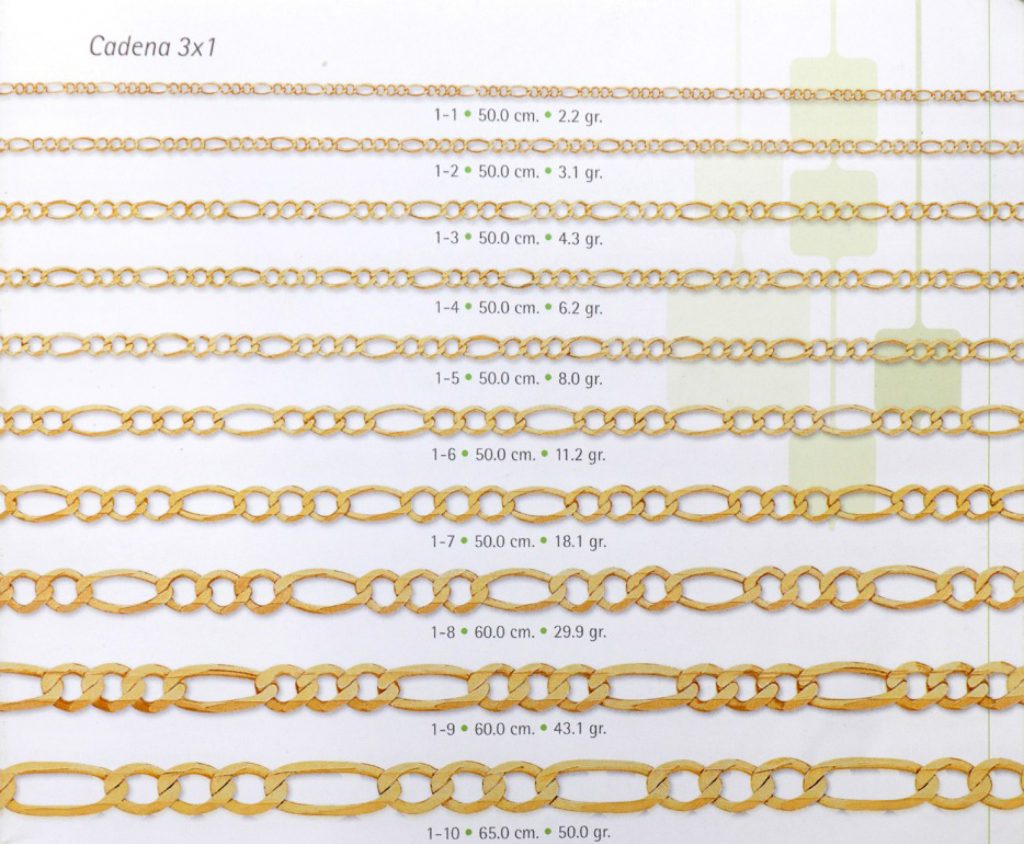
Compare links, thickness, color, and approximate weight
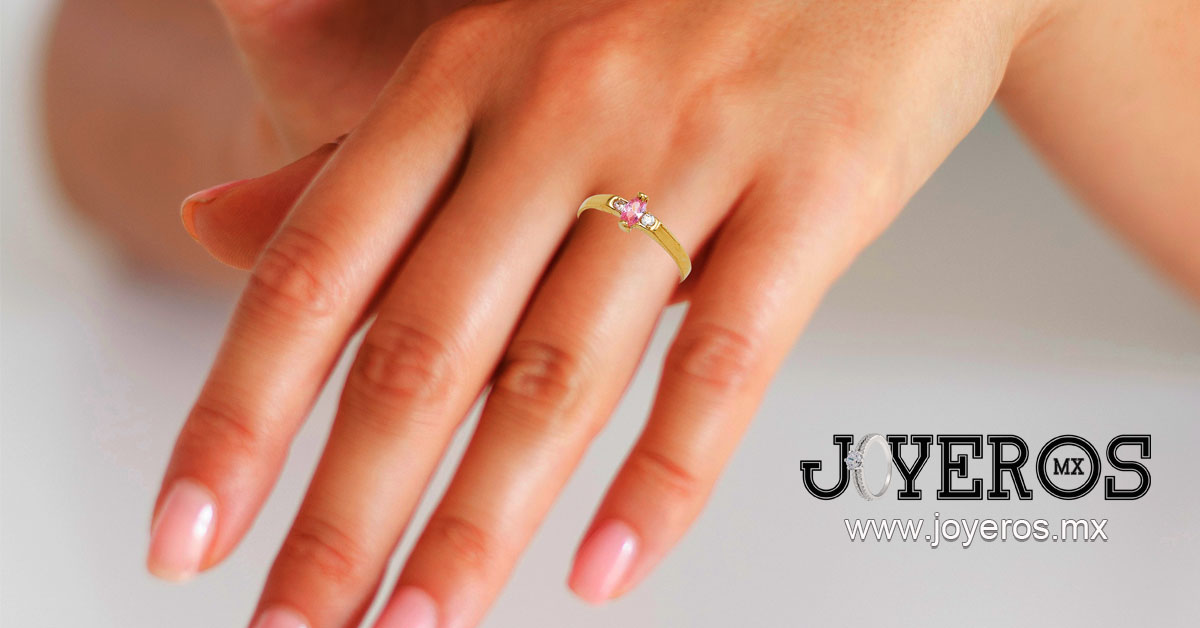
Rings: inspect inside band, edges, and prongs

Chains: check clasp, jump rings, and worn links
How to tell if it’s gold: simple step-by-step checks
The safest way to identify gold is to follow an ordered inspection. Start with visible
details, then move to non-damaging checks, and use a professional jeweler for confirmation
when the piece has financial or sentimental value.
Look for a hallmark or karat stamp
Check inside rings, clasps, jump rings, pendant backs, earring posts, and bracelet plates.
Common marks include 10K, 14K, 18K, 417, 585, and 750.
Inspect worn areas
If silver, copper, green, or dark metal appears under the gold-colored surface,
the item may be plated or costume jewelry.
Try a magnet check
Gold should not strongly stick to a regular magnet. Strong attraction can suggest
steel, iron, or another magnetic metal inside the piece.
Get professional testing
For expensive, inherited, antique, or resale items, a jeweler can help confirm karat,
authenticity, and approximate value more reliably.
Common gold stamps and what they mean
Hallmarks can help you understand the possible gold content of a piece, but they are not
absolute proof. Some real items have worn or missing stamps, and some fake items may be marked.
| Stamp | Related karat | Approx. gold content | What it usually means |
|---|---|---|---|
| 417 | 10K | 41.7% | Often associated with 10-karat gold jewelry. |
| 585 | 14K | 58.5% | A common mark for 14-karat gold jewelry. |
| 750 | 18K | 75% | Often used for 18-karat gold pieces. |
| 916 | 22K | 91.6% | Usually indicates a higher gold content piece. |
| 999 | 24K | 99.9% | Associated with nearly pure gold. |
To better understand karats and gold value per gram, you can also review Oro24k.mx
as a reference for 24K gold information.
What can be confused with real gold?
Many items can look like gold at first glance. The gold color may come from plating,
a coating, a gold-filled layer, or a metal alloy with a similar tone.
- Gold plated jewelry: a thin layer of gold over another base metal.
- Gold filled jewelry: a thicker bonded gold layer, but not solid gold all the way through.
- Brass or bronze: metals that can have a warm gold-like color.
- Costume jewelry: fashion jewelry that may look bright at first but can wear or discolor.
- Mixed-material pieces: some items may have gold parts and non-gold parts, especially clasps or repairs.
Where to inspect different jewelry pieces
Each item has different areas where stamps, wear, and material changes are easier to spot.
- Chains: inspect the clasp, jump rings, end tabs, and links near the clasp.
- Rings: check the inside band, edges, prongs, and underside of the setting.
- Bracelets: look at the clasp, plate, hinge, underside, and high-friction areas.
- Pendants: inspect the bail, back side, edges, and any worn corners.
- Earrings: check the post, back, butterfly clutch, and areas touching the skin.
Warning signs before buying or selling
If you notice one or more of these signs, inspect the item more carefully before assuming
it is real gold.
- Price is too low: it may be plated, fake, or lower quality than advertised.
- Uneven color: clasp, body, edges, or worn areas have different tones.
- Surface rubs off: the gold color disappears in high-friction areas.
- Skin discoloration: some base metals or coatings can leave dark or green marks.
- Strong magnet reaction: the item may contain magnetic metal.
- Seller avoids testing: be cautious if inspection or professional verification is refused.
Frequently asked questions about how to tell if it’s gold
How can I tell if it’s gold at home?
You can check for stamps, consistent color, weight, wear marks, and magnet reaction.
These checks help, but valuable pieces should still be verified by a jeweler.
If it sticks to a magnet, is it not gold?
Strong magnet attraction is a warning sign that the item may contain another metal.
However, you should combine this with other checks before making a final conclusion.
What does 750 mean on jewelry?
The 750 mark is commonly associated with 18K gold, meaning approximately 75% gold
content in the alloy.
Can real gold have no stamp?
Yes. Some antique, repaired, handmade, or heavily worn pieces may have no visible stamp.
Professional testing can help confirm the material.
How can I tell if it is gold or gold plated?
Look for wear that reveals another metal underneath, color changes, uneven tones,
or skin discoloration. A jeweler can test the piece more accurately.
Check before buying, selling, or trusting a gold-looking piece
Inspect the stamp, weight, color, wear marks, magnet reaction, and friction areas.
If the item has real value, professional testing is the safest next step.